 HoloHolo Guide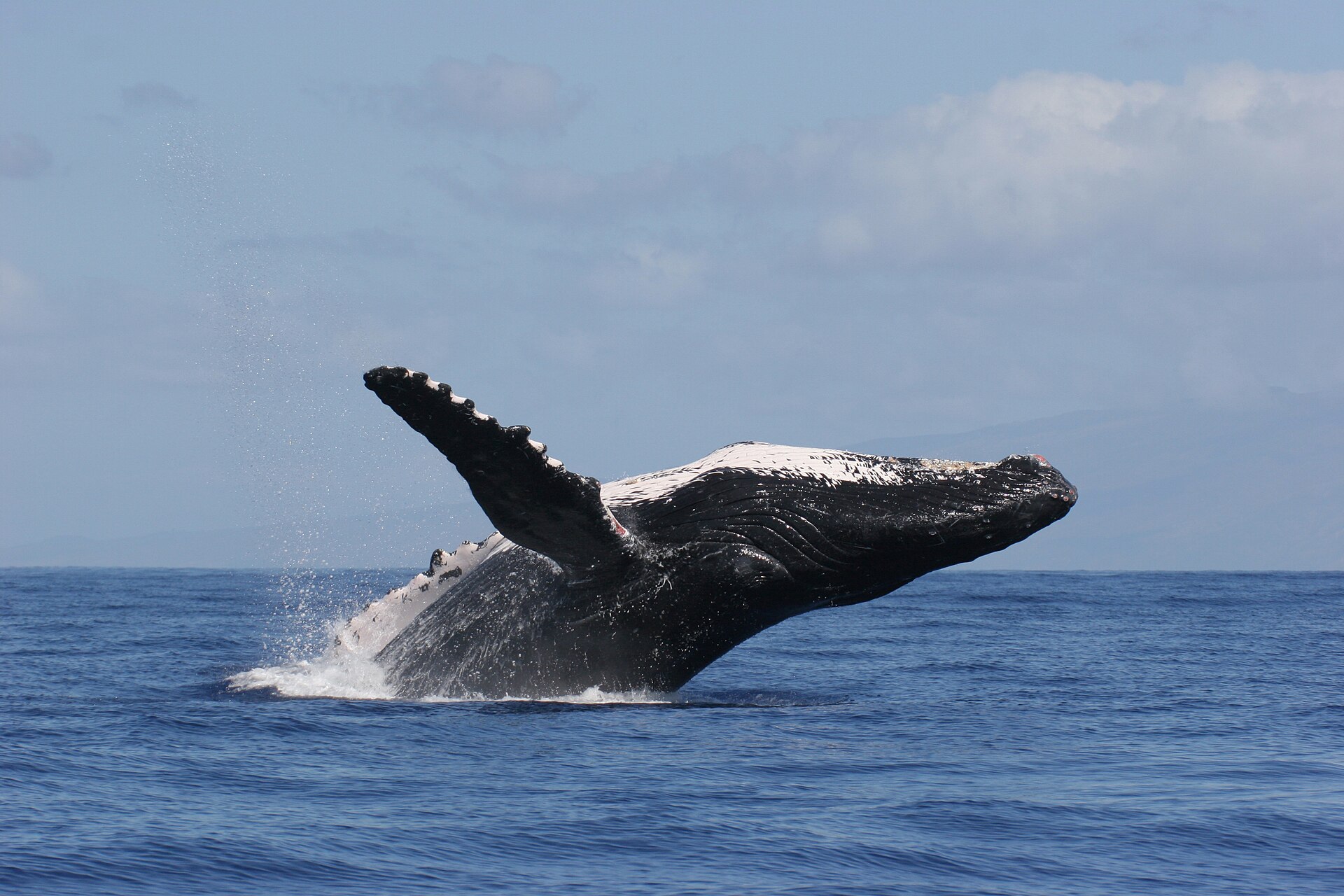
The 30 second verdict
Every winter, almost two thirds of the North Pacific humpback population migrates to Hawaiian waters, per the Hawaiian Islands Humpback Whale National Marine Sanctuary, and they do not spread out evenly. They crowd into one shallow basin off Maui. Ranked on whale density, season length, and how much you can see from shore, the four islands finish like this:
| Island | Whale density | Season | Best shore viewing | Best harbor |
|---|---|---|---|---|
| Maui | Highest in Hawaii, almost 600 counted off Maui in one day at the 2023 Great Whale Count | November to May, peak January to March | Kapalua to Wailea leeward coast, McGregor Point | Lahaina and Maalaea |
| Oahu | Moderate, scattered pods off the south and west shores | December to April | Makapuu Lighthouse Trail, North Shore | Waikiki, Kewalo Basin |
| Big Island | Moderate on the Kohala and Kona coasts, thin elsewhere | Late December to late March | Kohala Coast, Puukohola Heiau area | Honokohau, Kawaihae |
| Kauai | Lowest of the four, most reliable on the south shore | December to March | Kilauea Lighthouse, Poipu coast | Port Allen, Eleele |
If whales are the reason for the trip, base on Maui. If whales are one day inside a trip based elsewhere, each island below has one tour worth booking, and we name it.
Why Maui wins, in numbers
The Auau Channel runs between West Maui and Lanai and averages only about 200 feet deep. The wider sanctuary that contains it, the Hawaiian Islands Humpback Whale National Marine Sanctuary, covers 1,366 square miles out to the 600 foot depth contour around the four main islands and was designated in May 1992, per NOAA. Shallow, warm, and sheltered from the open Pacific swell, the channel is where mothers calve and nurse, and where males compete in the surface active groups locals call competition pods.
The whales work hard to get here. NOAA puts the migration from Alaska at nearly 3,000 miles of open ocean in under two months, and some whales complete it in as few as 28 days. Adults average about 45 feet long and 40 to 45 tons, and calves arrive at about 14 feet and up to 2 tons, per sanctuary materials. They barely feed in Hawaii. The winter here is for mating, calving, and nursing on stored blubber, which is why the surface behavior, breaches, tail slaps, and pec slaps, is so constant in the channel.
The count that settles arguments: volunteers with the Great Whale Count tallied almost 600 whales off Maui on February 27, 2023, in a single morning of shore based counting. No other island posts a number close to that, because no other island has the channel.
The best tour on each island
Five tours, one or two per island, every one bookable on Viator with free cancellation up to 24 hours ahead. Prices and ratings reflect Viator listings checked in October 2026 and move with demand, so confirm at booking.
Ultimate Whale Watch from Lahaina, Maui
From $77 per person, 4.9 across about 1,370 reviews, and the consensus Maui pick across the guides we read. The roughly 2 hour trip runs on a low raft style vessel capped at 28 travelers, so every seat sits near water level and whales fill your whole view when they surface alongside. The operator has run small group eco rafting tours from Lahaina since 1982, carries a hydrophone so you can hear the singers live, and guarantees sightings from December to April: see no whales and your return trip is free. Check in 20 minutes early at 1229 Front Street near the Mala Boat Ramp. Ages 3 and up, and not for pregnant travelers or bad backs.
Check Ultimate Whale Watch availability on Viator →Pacific Whale Foundation Deluxe Whale Watching Sail, Maui
From about $148 per person, 4.8 across about 59 reviews, and the Maui pick for anyone who wants a real boat under them. The 2.5 hour sail aboard the Ocean Spirit luxury catamaran caps at 49 travelers, is led by Pacific Whale Foundation marine naturalists and biologists, and includes a buffet lunch and two complimentary drinks. The foundation claims a 97 percent sighting success rate and backs it with a guarantee: no whales and you sail again free within one year. Check in at the Pacific Whale Foundation Ocean Store at 192 Maalaea Road, next to the Maui Ocean Center. Children 4 and under ride free, one per paying adult.
Check Pacific Whale Foundation availability on Viator →Pink Sails Waikiki Whale Watching, Oahu
From about $53 per person, 4.6 across about 1,335 reviews, and the easiest whale day in Hawaii if you are staying in Waikiki. The 2 hour cruise sails from Pink Sails Waikiki at 1 Holomoana Street, across from the Prince Waikiki Hotel, with departures at 8:00 and 10:30 a.m. The boat takes up to 100 travelers, dolphins and green sea turtles show up on the same route, and the guarantee matches Maui: spot no whales and you ride again free. You trade density for convenience here. Off Waikiki you search for pods, off Maui you sit inside them.
Check Pink Sails Waikiki availability on Viator →Captain Zodiac Raft Whale Watching, Kona
From about $126 per person, 4.9 across about 483 reviews, and the Big Island pick. The 3 hour trip runs on a 24 foot Zodiac raft capped at just 16 travelers out of Honokohau Marina at 74-425 Kealakehe Parkway, about 2 miles north of Kailua Kona. The captain doubles as a naturalist, the route north toward Waikoloa passes lava tubes and sea caves between whale stops, and snacks and drinks are included. Captain Zodiac has run raft expeditions in Kona for over 50 years. Minimum age is 4, and the bouncy ride rules out pregnant travelers and anyone with back problems. Kona pairs well in winter: whales by day, and the [best manta ray night snorkel in Kona](/big-island/best-manta-ray-night-snorkel-kona/) after dark.
Check Captain Zodiac availability on Viator →Kauai Sea Tours Whale Watch Cocktail Tour aboard Imiloa, Kauai
From $136 per person, 4.7 across about 422 reviews, and the Kauai pick. The 2 hour catamaran cruise works the south shore out of Port Allen Marina Center in Eleele, at 4353 Waialo Road, the calmest water on the island in winter and the side where Kauai whales most reliably gather near Poipu. Mai tais, beer, and light snacks are included, morning and afternoon departures run, and the captain narrates whale biology and behavior while you scan for blows and breaches. Ages 3 and up. If your Kauai week also includes the coast by boat, our comparison of the [best Na Pali coast boat tours in Kauai](/kauai/best-na-pali-coast-boat-tour-kauai/) covers the same harbors in summer mode.
Check Kauai Sea Tours Imiloa availability on Viator →Peak season boats fill first, especially the small Maui rafts in January and February. Book your whale day early in the trip so a weather cancellation or a no sighting re ride still fits inside your week:
Check Ultimate Whale Watch availability on ViatorFree cancellation up to 24 hours ahead on every tour above · Prices confirmed at booking
How the other three islands really compare
Oahu is the honest runner up. The whales there travel deeper water off the south and west shores, so tours spend more time searching and less time watching than on Maui, but Waikiki departures mean no rental car shuttle to a far harbor and no interisland flight. Shore watchers do well at the Makapuu Lighthouse Trail on the southeast point and along the North Shore in January and February. If Oahu is your base and whales are a must, book the boat, because shore sightings there are a bonus, not a plan.
The Big Island season is the shortest of the four, roughly late December to late March, and the action concentrates on the leeward northwest: the Kohala Coast and Puako Bay, known locally as a nursing ground for mothers and calves. Kona departures work because the coast faces the same leeward water. The Hilo side, by contrast, faces the open Pacific and produces only occasional sightings even at peak. Go leeward or do not go.
Kauai finishes fourth on density, not on scenery. The north shore is rough in winter and tours there cancel often, which is why the reliable Kauai product sails the south shore from Port Allen. Expect a good chance of whales, plus dolphins, on a calm catamaran, and treat a breach filled morning as a win rather than an entitlement. One February reviewer on the Imiloa tour put the island ranking in a single sentence, noting that for pure whale watching Maui is the island, while still rating the Kauai crew five stars for the day they delivered.
Shore watching, island by island
Boats get you close, but peak season shore watching in Hawaii is genuinely productive, and free. On Maui, work the leeward coast anywhere from Kapalua to Wailea, and stop at the McGregor Point lookout on the Honoapiilani Highway west of Maalaea, a sanctuary Ocean Count site. On Oahu, use the Makapuu Lighthouse Trail and the Lanai Lookout pullout below it. On Kauai, try the Kilauea Lighthouse area on the north shore on calm days and the Poipu coast on rough ones. On the Big Island, the Kohala Coast around Puukohola Heiau National Historic Site looks straight into the nursing grounds. Everywhere: mornings are calmest, a blow looks like a brief puff of steam on the horizon, and a pair of binoculars turns distant spouts into breaches.
The rules protect the show. Federal law keeps boats at least 100 yards from humpbacks, and approaching on a paddleboard or swimming with them is illegal. When a whale chooses the boat, the crew shuts down and waits, engines off, until the whale leaves. Pick operators who talk about distance rules before departure, like the five above do, and you are watching whales that stay relaxed enough to keep performing at the surface.
Where this fits in your Hawaii week
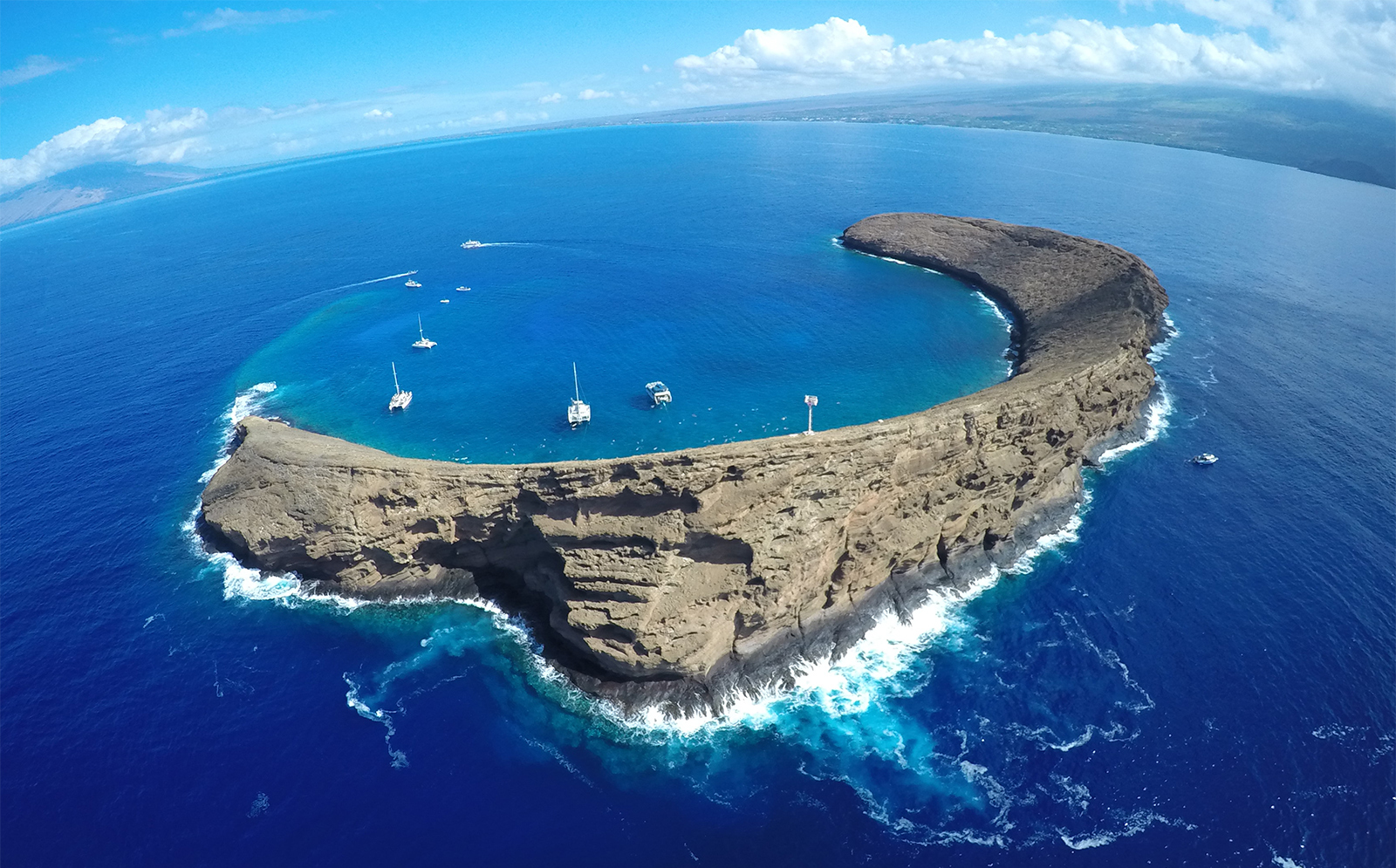
Whale season overlaps the rest of the winter calendar neatly. On Maui, a morning whale raft leaves the afternoon free, and our guide to the best Molokini morning snorkel tour runs from the same Maalaea side of the island, with whales often breaching along the ride out in winter. The perfect 7 day Hawaii itinerary shows how to stack a Maui whale day against Hana and Haleakala without back to back early starts, and the Maui island hub collects every Maui guide in one place. One planning rule covers the whole topic: put the whale tour in the first half of a winter trip. Guarantees and re rides only help if you still have days left to use them.