 HoloHolo Guide
The answer splits in two, and the split is the whole decision
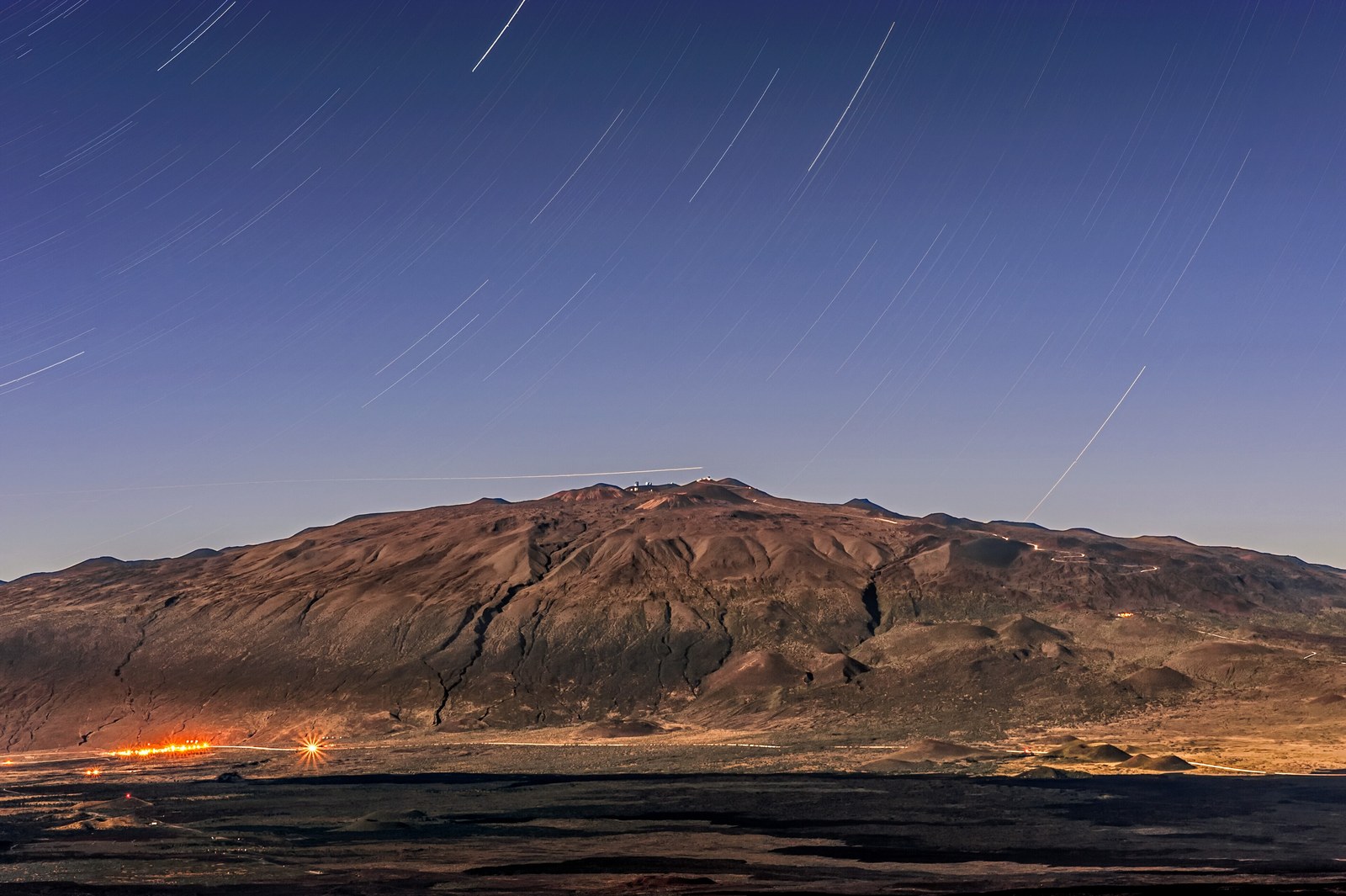
Every competitor guide checked for this article, from Love Big Island and The Hawaii Vacation Guide to Big Island Tours and KBM Resorts, lands on the same structure, and it is the structure most visitors get wrong before they arrive. Mauna Kea is not one destination. It is two. The visitor station at 9,200 feet is a free public stargazing stop that any rental car can reach, and the summit at 13,796 feet is a daylight and sunset viewpoint that closes before the stars come out. Once you see the split, the tour question answers itself for most people, and the rest of this guide prices both halves honestly. It is the feeder to our best Mauna Kea stargazing tours from Kona comparison, which ranks the guided field in full.
Start with the fact that surprises everyone. The summit closes to visitors 30 minutes after sunset, per the University of Hawaii visitor guidance, so nobody stargazes from the top, on a tour or off one. Tour groups watch the sunset at the summit, then descend and stargaze at mid mountain. Self drivers do exactly the same thing in reverse order of payment, because their stargazing happens at the visitor station. The other fact that decides the night is altitude. The summit air holds about 40 percent less oxygen than sea level air, per Big Island Tours, and that thinner air dims human night vision, which is why experienced astronomers quoted across the competitor guides say the naked eye view is actually better from the visitor station than from the top. The observatories sit at the summit for stable, dry air that suits instruments, not because the view suits eyes.
The two destinations, compared
| Question | Visitor station at 9,200 feet | Summit at 13,796 feet |
|---|---|---|
| Do you need a tour? | No | Practically yes, for most visitors |
| Cost | Free, no entrance or parking fee, per the University of Hawaii | Free to enter, but the vehicle rules below decide who can go |
| Vehicle | Any rental car, paved road all the way, per Big Island Tours | True 4WD with low range gearing for the final 8 miles, per Big Island Tours |
| Rental contract | No restriction on the paved access road | Virtually all Big Island rental agreements ban the summit road, per Big Island Tours |
| Hours | Station open daily 9 am to 9 pm, 365 days a year, per the University of Hawaii | Open from 30 minutes before sunrise to 30 minutes after sunset only, per the University of Hawaii |
| Stargazing | Yes, this is where self guided stargazing happens, with a staff laser talk after twilight, per the University of Hawaii | None after dark, the summit is closed at night |
| Telescopes | No public telescopes on ordinary nights, per the University of Hawaii | Observatories are closed to visitors, you cannot use them |
| Age and health gates | No age gate at the station | Not advised for children under 13, pregnant travelers, or anyone with heart or respiratory problems, and no scuba diving within 24 hours, per KBM Resorts |
Doing it yourself at the visitor station, step by step
The self drive night is simpler than the tour marketing suggests. The Mauna Kea Access Road leaves Saddle Road, the Daniel K. Inouye Highway, near mile marker 28, and climbs about 6 paved miles to the visitor station, per Love Big Island. The drive takes about 90 minutes from Kailua Kona without traffic, per Venture Hawaii, and the station sits 64 miles from Kona and 43 miles from Hilo, per the route map credited to the Center for Maunakea Stewardship. Any standard car makes the climb, and parking, entry and the exhibits are free, per the University of Hawaii.
What you get at the top of that drive is a working visitor station, officially the Onizuka Center for International Astronomy Visitor Information Station, named for Hawaii born astronaut Ellison Onizuka, who died in the Challenger disaster in 1986, per Wikipedia. Inside are displays on the geology, ecology and cultural weight of the mountain, plus the gift shop and restrooms that do not exist at the summit. After twilight ends, staff step outside and give a laser guided presentation on the sky, with topics that rotate between Greek constellations, Hawaiian starlines and wayfinding, per the University of Hawaii. You then watch on your own, for as long as you like, with no group schedule and no per person ticket.
Two honest limits belong in this section, because older guides still get both wrong. First, there are no public use telescopes at the station on an ordinary night. The University of Hawaii halted its nightly telescope program in 2019 over safety concerns and overcrowding damage, and says so in plain words on its stargazing page. Second, the telescope experience that does exist is a free event held about once a month, with limited capacity and a required reservation, booked through the university form two to three months ahead, per Love Big Island. One reservation covers up to two adults and three children aged 17 or under, per the same guide. If a telescope matters to your night and you cannot land one of those monthly seats, that is a real argument for a guided tour, because the tours bring their own instruments.
The self drive checklist is short and unforgiving. Fill up before the climb, because the nearest gas station is about 35 miles from the visitor station, per Love Big Island. Dress for temperatures in the 30s and 40s Fahrenheit at the station, per Big Island Tours, not for the beach you left. Bring water, because hydration is the basic defense against altitude symptoms even at 9,200 feet, and stop for at least 30 minutes at the station before going any higher, per the University of Hawaii. And drive the descent slowly, on an unlit mountain road, after hours in the dark.
Doing it yourself to the summit, and why it fails for most people
The DIY summit is legal, and a small number of visitors do it well. It fails for most people on logistics, not courage. The road above the station climbs nearly 5,000 feet in about 8 miles, steep and partly unpaved, and the requirement is a true 4WD vehicle with low range gearing, per KBM Resorts and Big Island Tours. All wheel drive crossovers do not qualify. Rangers check vehicles at the station, and the descent is the dangerous half, done in 4WD low with downshifting so the brakes survive, per KBM Resorts.
Then comes the contract trap. Virtually all Big Island rental car agreements explicitly prohibit the Mauna Kea summit road, per Big Island Tours, so the standard rental Jeep in the hotel lot is not a summit vehicle in any sense that protects you. Violating the ban leaves you liable for all damage and towing, which runs to thousands of dollars on a remote mountain road. The only self drive route that holds up is a specialist rental. Love Big Island names Big Island Jeep Rental, whose Wranglers and Gladiators are approved for the summit with a 4 day minimum, and Hawaii Lifted Jeep Rentals, which marks specific vehicles as summit approved with no minimum rental period. Rangers also require at least half a tank of fuel at the station before you continue up, per Love Big Island, and the road closes outright for snow, ice and high winds, so a summit plan needs a weather check the same day.
Even a perfect self drive summit day ends the same way as everyone else night. You watch the sunset from 13,796 feet, among the observatory domes, and you must be off the top within 30 minutes of sunset. Your stargazing still happens back down at the station. That is the sentence to hold onto when a rental upgrade or a tour price starts to look like it buys a night at the summit. Nothing buys a night at the summit.
What a tour actually buys you
A tour buys four things, and only four. It buys a permitted 4WD vehicle and a driver who descends that road in the dark for a living. It buys the acclimatization stop, the dinner timing and the parking handled as one schedule. It buys a telescope and a guide who can find things in the sky faster than a phone app. And it buys the clothing, because summit tours supply heavy parkas and gloves against summit temperatures that sit around freezing, per The Hawaii Vacation Guide. Seven operators hold the state permits to run commercial summit tours, per Love Big Island, and the three picks below are the consensus of our full Mauna Kea stargazing tour comparison from Kona.
Hawaii Forest and Trail, Summit and Stars
The consensus summit pick across the competitor guides, and the favorite named outright by Love Big Island. The Viator listing prices it from $329.84 per adult, with a hot picnic dinner at the visitor station, the sunset at the 13,796 foot summit, and stargazing afterward through an 11 inch Celestron telescope at about 9,000 feet, per the operator review summary on Dark Skies Atlas. It is the tour to book when the summit sunset is the point of the night and you want the logistics gone.
Check Hawaii Forest and Trail availability on Viator →Hawaiian Eyes, Summit Tour with Free Star Photos
The cheaper way onto the same summit. Viator lists it from $290 per adult, rated 4.8 across 1,843 reviews, with dinner at the Onizuka complex, the summit sunset, stargazing with a refractor telescope and laser pointer, and a free DSLR photo of your group under the stars, per the Viator listing. The gates are the strictest of the three, with ages 16 to 75 on the listing, so families with younger teens should read the fine print before paying.
Check Hawaiian Eyes availability on Viator →Epic Tours, Stargazing Experience with Photos
The proof that a good guided night does not need the summit at all. Epic Tours skips the top, meets you at a remote site away from the highway, and runs a 2 hour session led by an astronomer and professional astrophotographer, with a Unistellar EV2 telescope and group Milky Way photos included, from $299 per adult, rated 4.8 across 277 reviews, per the Viator listing. It has no minimum age, and if clouds block the stars the tour is free, per the same listing, which makes it the family and photographer pick.
Check Epic Tours availability on Viator →The free night needs no booking at all. The guided nights do, and summit tours sell out in clear weather weeks, so settle the choice before you fly:
Check Hawaii Forest and Trail availability on ViatorFrom $329.84 per adult on Viator · Summit sunset plus telescope stargazing · Visitor station stargazing without a tour is free
The verdict by traveler
| Traveler | Tour or drive? | Why |
|---|---|---|
| Budget travelers and repeat visitors | Drive yourself | The visitor station night is free, flexible and, for naked eye viewing, as good as any paid night on the mountain |
| Summit sunset seekers | Book a tour | The 4WD rule and the rental bans make the tour seat the practical way up for almost everyone |
| Families with children under 13 | Drive, or book Epic Tours | Summit tours exclude young children on altitude grounds, per Love Big Island, while the station and the Epic night take all ages |
| Telescope and photography travelers | Book a tour, or reserve the monthly station event | The station has no public telescopes on ordinary nights, per the University of Hawaii, so a telescope means a tour or the reservation only event |
| Nervous night drivers | Book a tour | The descent is unlit, steep and at altitude, and handing it to a professional driver is the core of what the fare buys |
| Confident drivers with a summit approved Jeep | Drive yourself | With a specialist rental, half a tank at the station and a 30 minute acclimatization stop, the DIY summit day is legal and complete |
The three traps in this decision
Trap one is planning around the free nightly telescope program that no longer exists. Guides written before 2019, and pages copying them, still promise volunteer telescopes at the station every night. The University of Hawaii states that the nightly program was halted in 2019 and that there are no public use telescopes at the station. Arrive expecting the laser talk and your own eyes, or book the monthly telescope event or a tour.
Trap two is assuming your rental Jeep settles the summit question. The vehicle in the lot may be a genuine 4WD and still be banned from the summit road by its own contract, and the ban is what decides your liability after any problem on the mountain. Read the agreement, not the badge on the tailgate.
Trap three is paying summit money for a stargazing upgrade that cannot exist. Because the summit closes 30 minutes after sunset, no product at any price stargazes from the top. Summit money buys a sunset above the cloud layer, which is genuinely spectacular, and then the same mid mountain sky everyone else gets. Pay for it with open eyes and it is worth it. Pay for it expecting a darker night and it is not.
Know before you go
Mauna Kea is sacred ground in Hawaiian tradition, the home of Poliahu, the goddess of snow, and every guide and operator in the recon asks visitors to treat the summit area quietly and stay on the roads and marked paths. The practical rules match the cultural ones. No camping, sleeping or fires are allowed at the station after hours, per the University of Hawaii, and there are no restrooms or facilities at the summit, so use the station on the way up. Call the visitor station on (808) 934 4550 during its 9 am to 9 pm hours for current conditions, per the University of Hawaii, and check the summit road status before you commit to the drive, because closures for snow, ice and wind can land on any month of the year.
Book any guided version early in your Big Island stay, so a weather closure still leaves you spare nights to move it to. Self drivers should apply the same rule, because the mountain gives its best nights to travelers who can wait for a clear one. Time the night around the new moon when you can, and give the Milky Way season, late April through early September per Venture Hawaii, the priority if your dates are flexible.
Where this fits in your Big Island week
This guide settles the one question that sits in front of the Mauna Kea booking page, which is our best Mauna Kea stargazing tours from Kona comparison of the summit tours and the stargazing only nights. Give the mountain its own evening and keep it apart from the volcano day, because the drive home from either one is long and dark. Our Hawaii Volcanoes National Park tour from Kona comparison covers the other big night out, and the Big Island hub collects every Big Island guide in one place. The perfect 7 day Hawaii itinerary shows where a Mauna Kea night belongs in a first trip, with a slow morning after it.