 HoloHolo Guide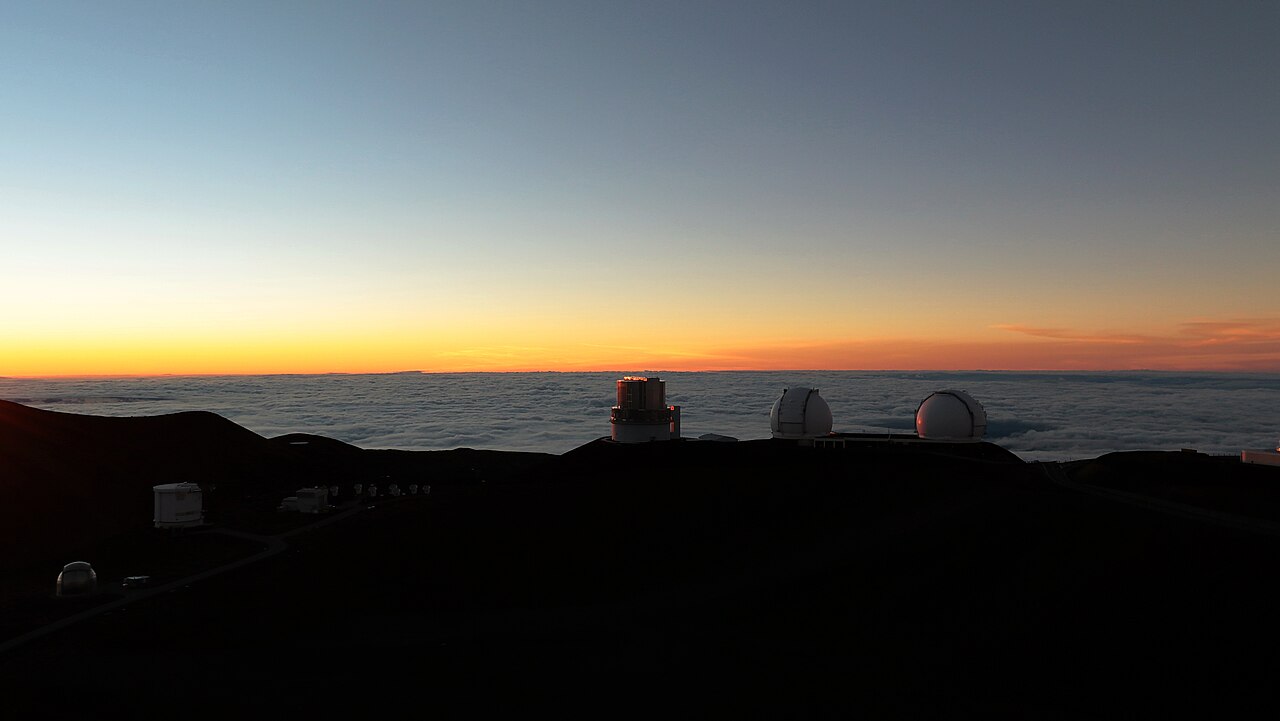
The summit is about the sunset. The stars are about the altitude trade.
Here's the thing most tour listings won't tell you: the summit is not the best place on the mountain to look at stars. With roughly 40 percent less oxygen at 13,796 feet, your night vision physically works worse up there — a professional astronomer quoted by lovebigisland.com confirms the observatories sit at the top for stable, dry air, not for the naked-eye view. You see more stars from the 9,200-foot visitor station.
So why go to the summit at all? The sunset. Watching the sun drop below the cloud layer from above it, with the Pacific stretching out past the observatory domes, is the single best sunset vantage on the Big Island (lovebigisland.com calls it that outright). The winning formula is a tour that pairs the summit sunset with stargazing back down at mid-mountain — which is exactly what the consensus picks do.
Our three picks
Hawaii Forest & Trail — Summit and Stars
4.9 stars from 1,600+ reviews. Hot picnic dinner at 9,200 ft, sunset above the clouds, then a private star show with an 11-inch Celestron telescope. From $330, free 24-hour cancellation.
Check Hawaii Forest & Trail availability on Viator →Hawaiian Eyes — Summit Tour with Free Star Photos
4.8 stars from 1,770 reviews, Badge of Excellence. Same summit sunset, max 12 guests, light dinner, and free DSLR star photos of you under the Milky Way. From $290.
Check Hawaiian Eyes availability on Viator →Epic Tours — Stargazing Experience with Photos
4.8 stars. Skips the summit for darker skies below 9,000 ft, led by an analog astronaut. No minimum age, and a full refund if clouds block the stars. From $259 adult, $239 youth.
Check Epic Tours availability on Viator →Pick your night, then see what is actually running:
Compare Mauna Kea tours on ViatorFree cancellation on most listings · Prices confirmed at booking
The three tours, compared
| Hawaii Forest & Trail | Hawaiian Eyes | Epic Tours | |
|---|---|---|---|
| Viator rating | 4.9 (1,600+ reviews) | 4.8 (1,770 reviews) | 4.8 (270+ reviews) |
| From | $330 | $290 | $259 adult / $239 youth |
| Duration | 8 hours | 8 hours | 2 hours |
| Group size | Up to ~29 on the van | Max 12 | Max 30 |
| Summit sunset | Yes | Yes | No (below 9,000 ft) |
| Telescope | 11" Celestron + digital astro scope | Refractor + laser pointer | Celestron Origin smart telescope |
| Meal | Hot picnic dinner (stew/chili) | BLT or vegan sandwich | No |
| Free photos | No | Yes, DSLR star photos | Yes, Milky Way photos in 24h |
| Pickup | Kona + Waikoloa meeting points | Target (Kona) / Queens' Marketplace | Self-drive meetup, texted daily |
| Ages | 16+ per listing | 16–75 | No minimum |
| Cancellation | Full refund, 24h notice | Full refund, 24h notice | Full refund, 24h notice; cloudy = free |
Why Hawaii Forest & Trail wins the consensus
This is the pick that keeps showing up: lovebigisland.com names it their favorite outright ("our favorite tours are organized by Hawai'i Forest & Trail," $315, 8–9 hours), worldguidestotravel.com gives it Best Small Group, and laylaslens.com ranks it as the highest-rated tour on their list. The reviews justify it — 4.9 stars across more than 1,600 reviews is an enormous sample size for a niche tour, and September 2026 reviewers keep calling out the guides' geology and cultural knowledge, the comfortable 4x4 van, and even a partial refund when clouds blocked the stars (Viator reviews).
The itinerary is engineered around the altitude science. You eat a hot picnic dinner at the 9,200-foot visitor station (Southwest stew or vegetarian chili, per Viator), acclimatize, then ride to the 13,796-foot summit for sunset above the clouds. After sunset you descend to more comfortable air for the stargazing session — telescope, hot chocolate, dessert. One honest caveat: "small group" stretches to around 29 guests on the van (worldguidestotravel.com), so expect a communal evening, not an intimate one.
Hawaiian Eyes: the budget way to the summit
At $290, Hawaiian Eyes is the cheapest summit option in the comparison — $40 less than Hawaii Forest & Trail — and it trades dinner for photos: a BLT or vegan sandwich instead of the hot stew, but free DSLR photos of you under the stars with every tour (Viator listing). It also wins on group size: max 12 travelers vs. ~29, which matters if the cattle-van vibe turns you off. Badge of Excellence and 1,770 reviews at 4.8 stars back it up.
The trade: the age and health gates are the strictest of the three — ages 16 to 75 only, no pregnancy, no back/heart/respiratory issues, under 300 lbs (Viator additional info). Pickup is from the Target in Kona or Queens' Marketplace in Waikoloa rather than your hotel lobby. If those don't bother you, it's the value summit seat.
Epic Tours: skip the summit, keep the stars
Epic Tours is the deliberate non-summit alternative, and lovebigisland.com suggests it by name — for good reasons. Because summit tours must leave the top within 30 minutes of sunset, their stargazing always happens in early-evening twilight. A tour that skips the summit can run later, under darker skies, with far fewer other groups around — and the night sky quality is the same, since the viewing happens at comparable elevation (lovebigisland.com).
Practical wins: no minimum age (the only pick that takes kids under 13), a professional astronomer and astro-photographer as guides (James is an analog astronaut; Dylan is an astrophysics major, per lovebigisland.com), free Milky Way photos within 24 hours, and the only cloud-out full-refund guarantee of the three. The trade: you meet at a viewing site on the Saddle Road corridor — texted to you on the day — and it costs $259 for a 2-hour experience, so the per-hour math is the worst of the three. Book it for the darkness and the kids, not the value.
The free alternative nobody is selling you
Telescopeadvisor.com makes the uncomfortable point: the visitor center stargazing experience is identical whether you pay $330 or $0, and you can "save $200 and drive yourself." They're half right. Any rental car reaches the 9,200-foot visitor station (open daily 9am–9pm, free parking, per lovebigisland.com), and the center runs free reservation-only telescope evenings — most months one event open to everyone, one for Kama'aina residents. But reservations post 2–3 months ahead and fill fast (lovebigisland.com), so "just drive up" only works if you plan it like a concert ticket.
The DIY summit is real too: state law allows 4WD vehicles past the station, but you must stop 30 minutes at the station to acclimatize, and the summit closes 30 minutes after sunset (lovebigisland.com). Self-drive stargazing happens back at the station, not the top — which, per the altitude science, is where the better naked-eye view is anyway.
Booking rules that actually matter
Book early in your trip. If weather closes the summit road, operators usually can't reschedule you (lovebigisland.com) — you need spare nights in your itinerary.
Dress for 30°F, not for Kona. The single most common rookie mistake in the reviews is underdressing. Parkas and gloves are supplied on every tour, but long pants, closed-toe shoes, a base layer, and your own hat and gloves make the night (Epic Tours' own listing).
No scuba within 24 hours. The altitude after diving is a genuine hazard, and the tour listings flag it (Viator additional info). Plan your dive days and your mountain night on different days.
Respect the mountain. To Hawaiians, Maunakea is sacred — home of Poli'ahu, the goddess of snow, who raced Pele down the slopes (lovebigisland.com). Guides take the cultural significance seriously; you should too.
Know your price floor. Paid summit tours run $240–$315 per the state-permit roundup (lovebigisland.com), with the Viator-listed consensus picks at $290–$330. If a deal looks far cheaper, check whether it actually goes to the summit.
Two nights, one island
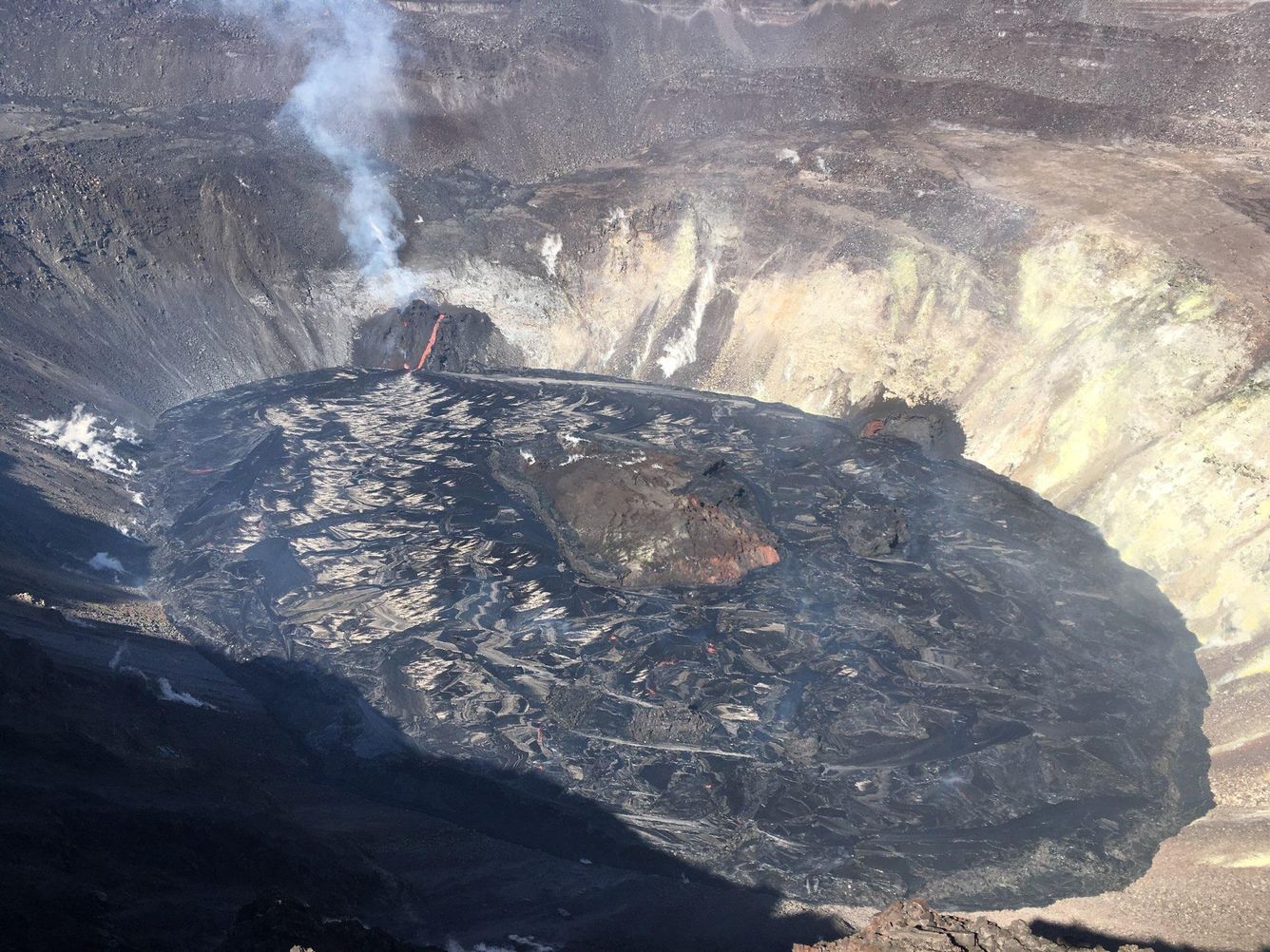
Mauna Kea and the volcano are the Big Island's two great after-dark experiences — one takes you above the clouds, the other takes you inside the earth. Pair this with our Hawaii Volcanoes National Park tour comparison from Kona on a different night: do the twilight volcano tour early in your trip (weather rebooks work the same way), and put Mauna Kea on whichever night the forecast is clearest.