 HoloHolo Guide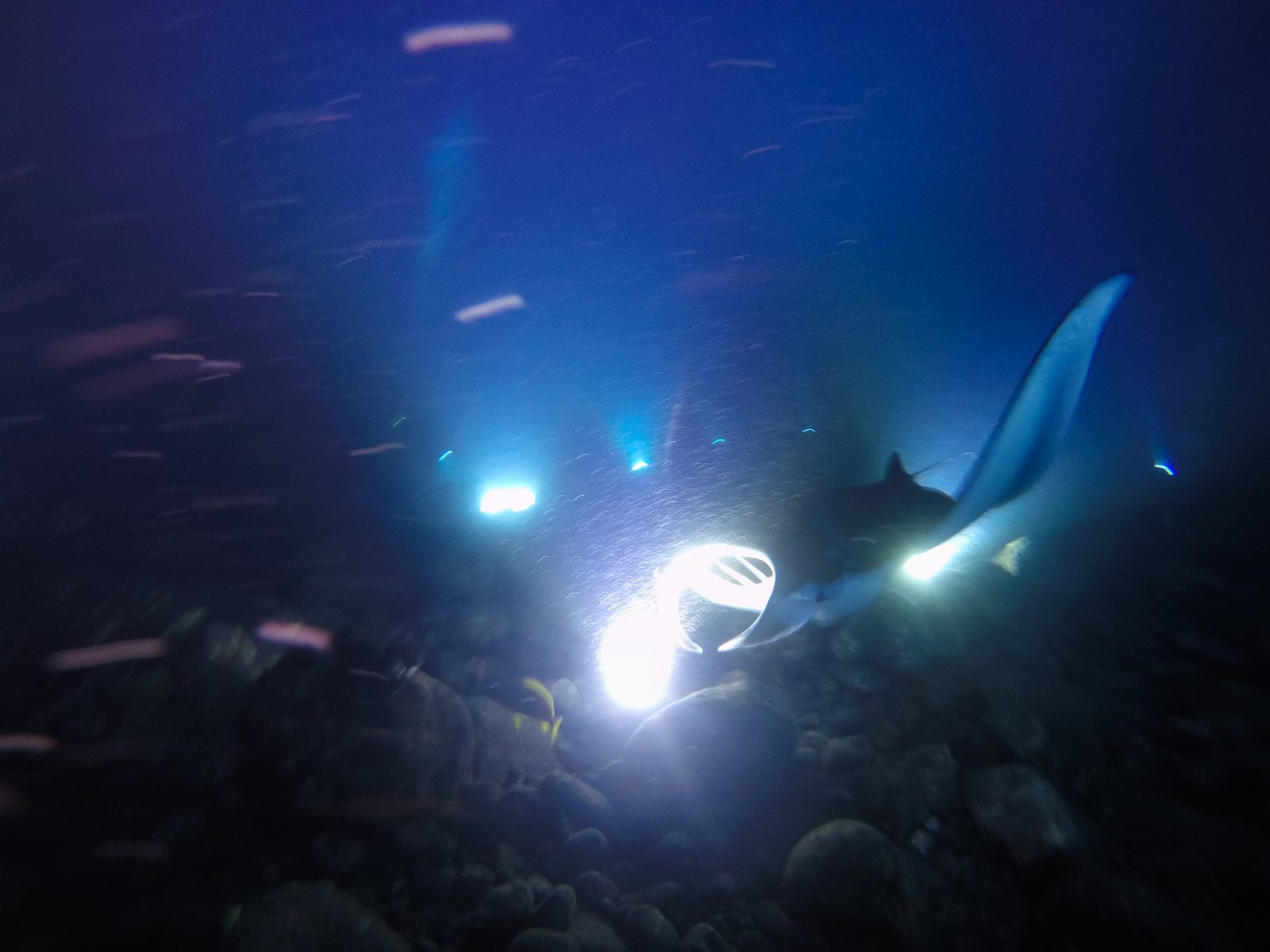
The short answer: yes, book the tour
Do you need a tour for manta ray snorkeling in Kona? For the night snorkel, the answer is yes in every way that matters. This is not a case where a tour is merely convenient. The encounter itself is a manufactured one: lights attract plankton, plankton attracts mantas, and only tour boats bring the lights, anchor them at the feeding sites, and keep a crowd of swimmers safe in dark water. Without the tour, the product does not exist.
Two Wandering Soles puts it in one line: since it is a nighttime activity only accessible on a tour, there is no version of this you can do alone. My Aloha Trip reaches the same conclusion: it is highly unlikely that you will be going out on your own. And Kona operator Dolphin Discoveries is the most direct of all, stating that the only way to do the night snorkel is on an accredited tour boat.
Why the night snorkel only works on a boat
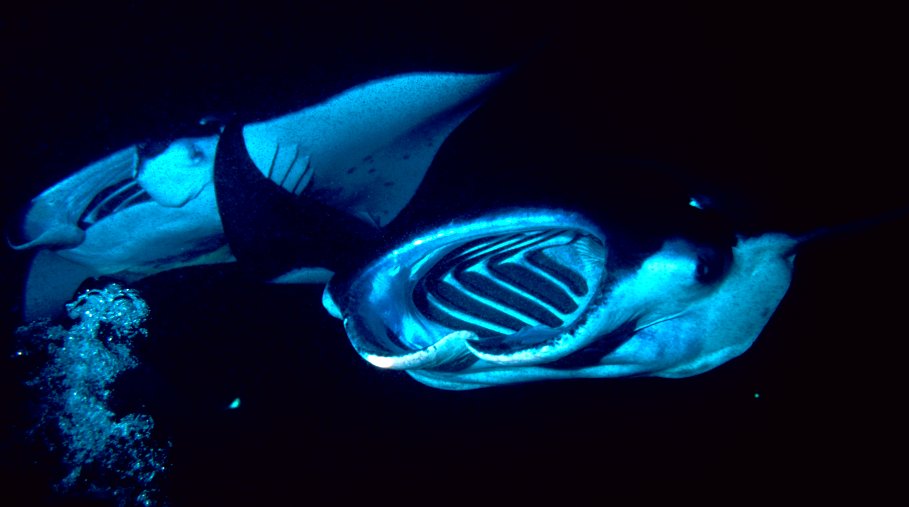
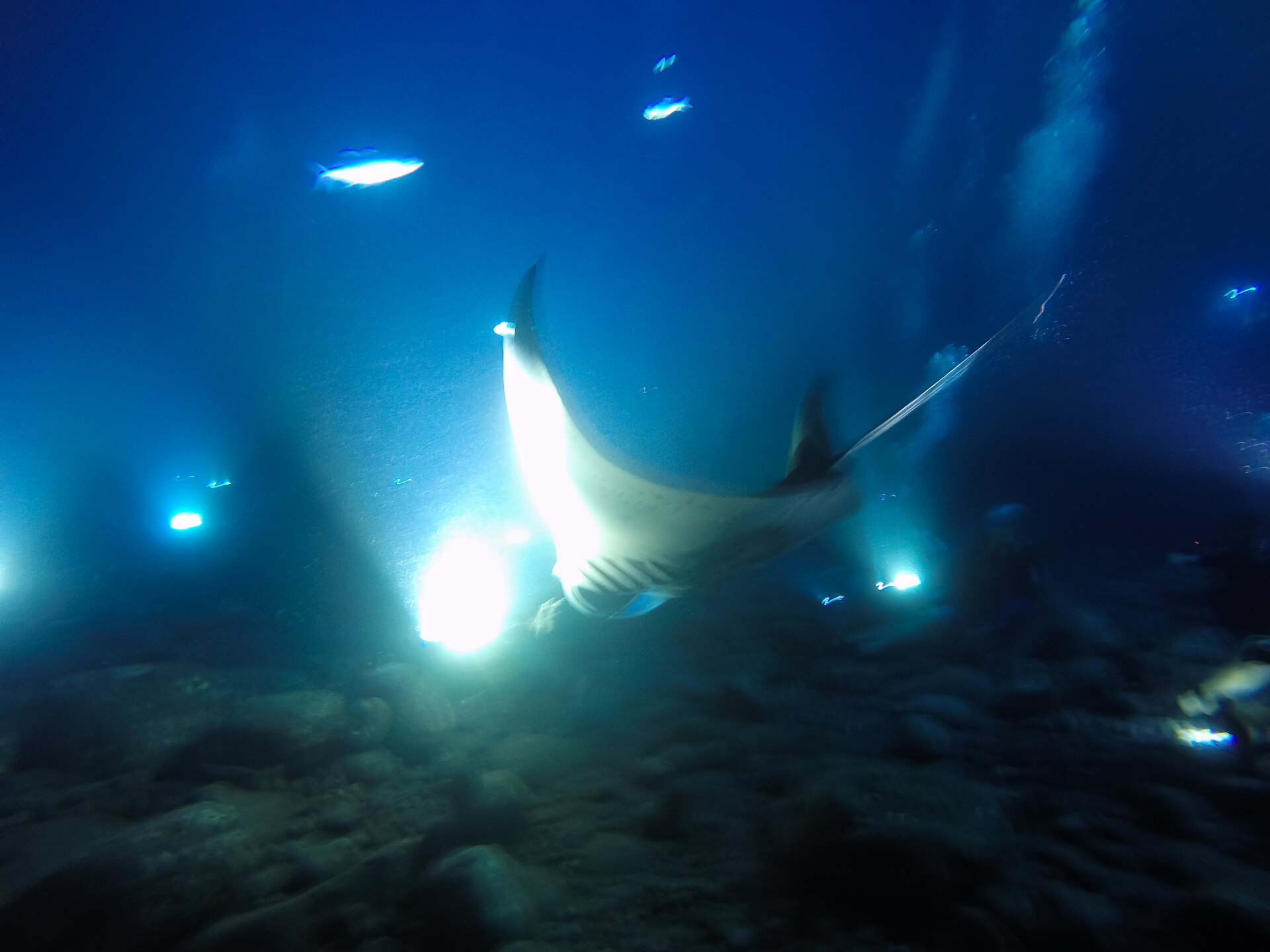
Understanding the mechanism kills the DIY idea instantly. The mantas come to two feeding sites, Manta Village off Keauhou Bay (officially Kaukalaelae Point, offshore from the Outrigger Kona Resort) and Manta Heaven in Makako Bay offshore from the Kona airport. The Kona Coast hosts more than 240 resident manta rays, each identified and named, according to Two Wandering Soles. They feed on plankton, and plankton swarms around light. The tour boats drop floating light boards, sometimes called campfires, and the whole food chain arrives on cue.
This trick was discovered by accident. In the 1970s the former Kona Surf Hotel, now the Outrigger, turned on floodlights so diners could watch the water, and guests started noticing huge shadows dancing offshore. The lights had drawn plankton to the surface and the mantas had come to feed. Night snorkel tours have run on that same principle since the early 2000s, per Two Wandering Soles. Your flashlight cannot replicate a commercial light board, and swimming to the feeding sites alone at night puts you in dark water with no visibility to the dozen other boats anchored there.
That is exactly the safety case Dolphin Discoveries makes: limited visibility, a large number of other boats at Manta Village, and a lone swimmer with no light source is both invisible and pointless, since without the light boards no plankton gathers and no mantas come by.
Tour vs going solo: the honest comparison
| On a tour | Going solo | |
|---|---|---|
| How mantas find you | Light boards draw plankton to the feeding site; mantas arrive on cue | No light, no plankton, no mantas; you are swimming in dark water alone |
| Sighting odds | 80 to 95 percent of outings, per Nook Outdoors; Coral Reef Adventures reports about 92 percent | Near zero at night; daytime shore snorkeling is pure luck |
| Safety | Guides in the water, the boat is anchored and lit, other boats can see the group | Invisible to boat traffic, no crew, no help nearby |
| Cost | About $130 to $160 per adult; ride alongs about $65 to $80 | Free, and worth exactly that for manta sightings |
| Time in the water | 40 to 50 minutes holding the light raft, roughly 2 to 2.5 hours door to door | As long as you dare, with nothing to see |
| Guarantee | Sea Paradise rebooks you free on another night if mantas do not show | None |
What going solo can actually get you
Solo is not entirely hopeless, it is just a different activity. Two Wandering Soles notes that mantas make appearances near the Mauna Kea Hotel oceanfront area, where you can grab a drink and watch the water. It is a shadow below the surface sighting, far less reliable and immersive than being in the water under the lights. My Aloha Trip adds the geographic reality: mantas exist off Maui, Kauai, and Oahu, but they are rare there and almost no guides market them. The Kona Coast at night is the only reliable manta show in Hawaii.
Daytime snorkeling from shore or on a regular reef tour is a fine activity on its own, but it will not put you face to face with a feeding manta. These animals, up to 20 feet across with the largest ever recorded at 30 feet and weighing up to 3,000 pounds per Two Wandering Soles, do their spectacular feeding after dark. They are harmless, no teeth and no stingers, and PADI lists the experience on its marine life bucket list. You just cannot reach it without the lights.
The three tours worth booking
If the answer is a tour, the next question is which one. These are the consensus picks across our operator comparisons, all verified on Viator with live availability. Compare all five operators in our best manta ray night snorkel tours in Kona guide if you want the full breakdown.
Sea Paradise
Lowest adult price (~$141), Keauhou Bay departure, and a free rebook if the mantas don't show. 4.8 stars across 760 reviews.
Check Sea Paradise availability on Viator →Snorkel Big Island (6-guest)
6 guests max from Honokohau Harbor, 4.7 rating with a Badge of Excellence. From ~$137.
Check Snorkel Big Island availability on Viator →Fair Wind
4.7 stars across 261 reviews, 1.5 hours, warm soup after. From ~$160, departing Keauhou Bay.
Check Fair Wind availability on Viator →Convinced? Tours sell out days ahead, so lock in your night early in the trip:
Check Sea Paradise availability on ViatorFree cancellation on most listings · Prices confirmed at booking
The bottom line
You do not need a tour the way you need a ticket, you need it the way you need the lights. The manta ray night snorkel is a piece of stagecraft, light boards and feeding sites and guides, and none of it exists without the boat. Go solo and you save $140 and see nothing. Book the tour, hold the raft, and watch a 15 foot animal barrel roll inches under your face.
New to the whole idea? Start with our safety guide answering whether the manta ray night snorkel in Kona is safe, check the best time of year for the manta ray night snorkel in Kona if you are still planning dates, and fit it into a wider trip with our perfect 7 day Hawaii itinerary.