 HoloHolo Guide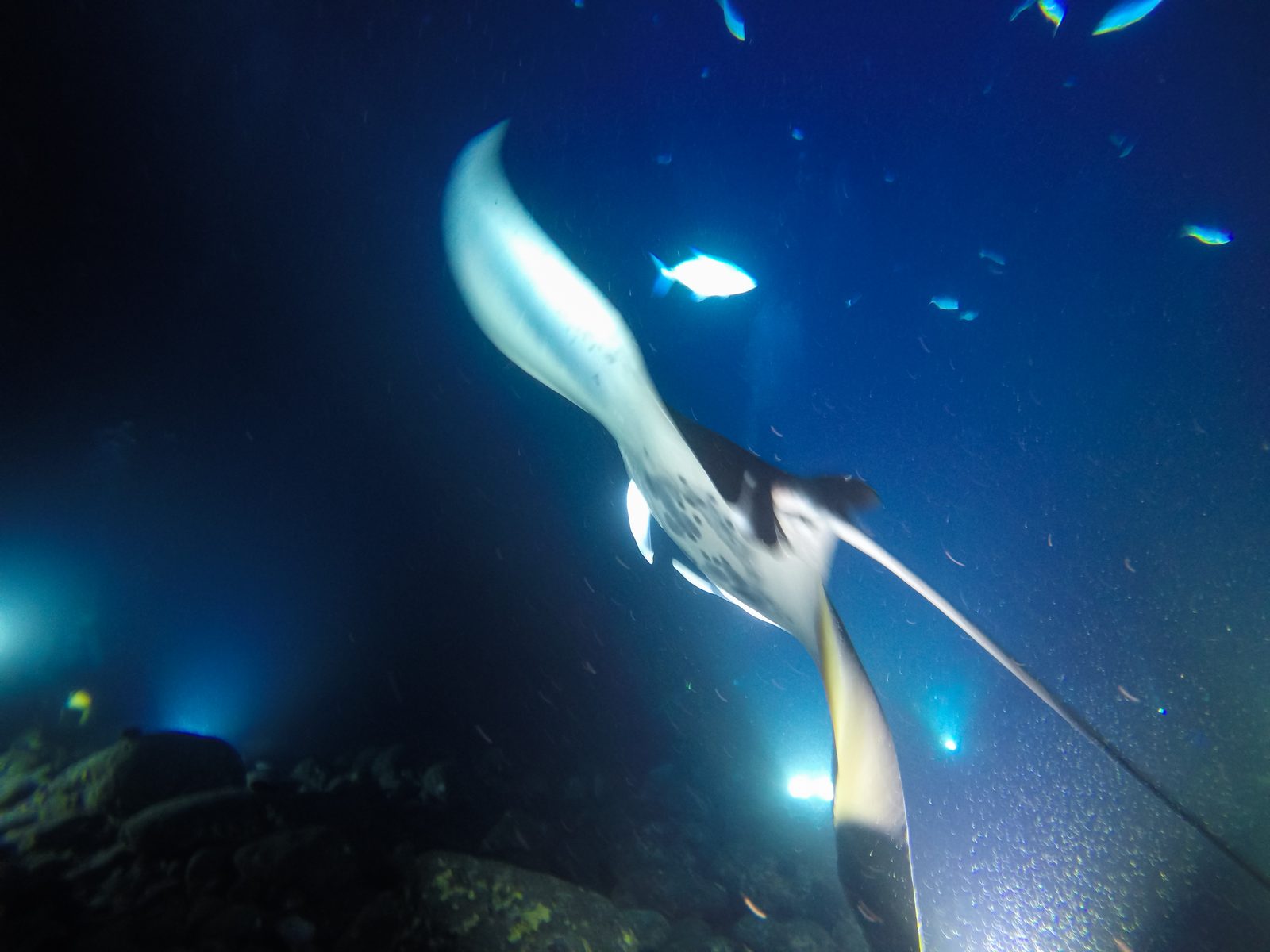
This page is a citable reference of verified manta ray numbers for Kona, Hawaii. Every figure below carries a named source and a year. Writers, if you quote these, the sources are spelled out so your fact check clears.
Planning the night itself? Our best manta ray night snorkel tours in Kona compares operators on price, group size, and sighting guarantees.
The Kona population
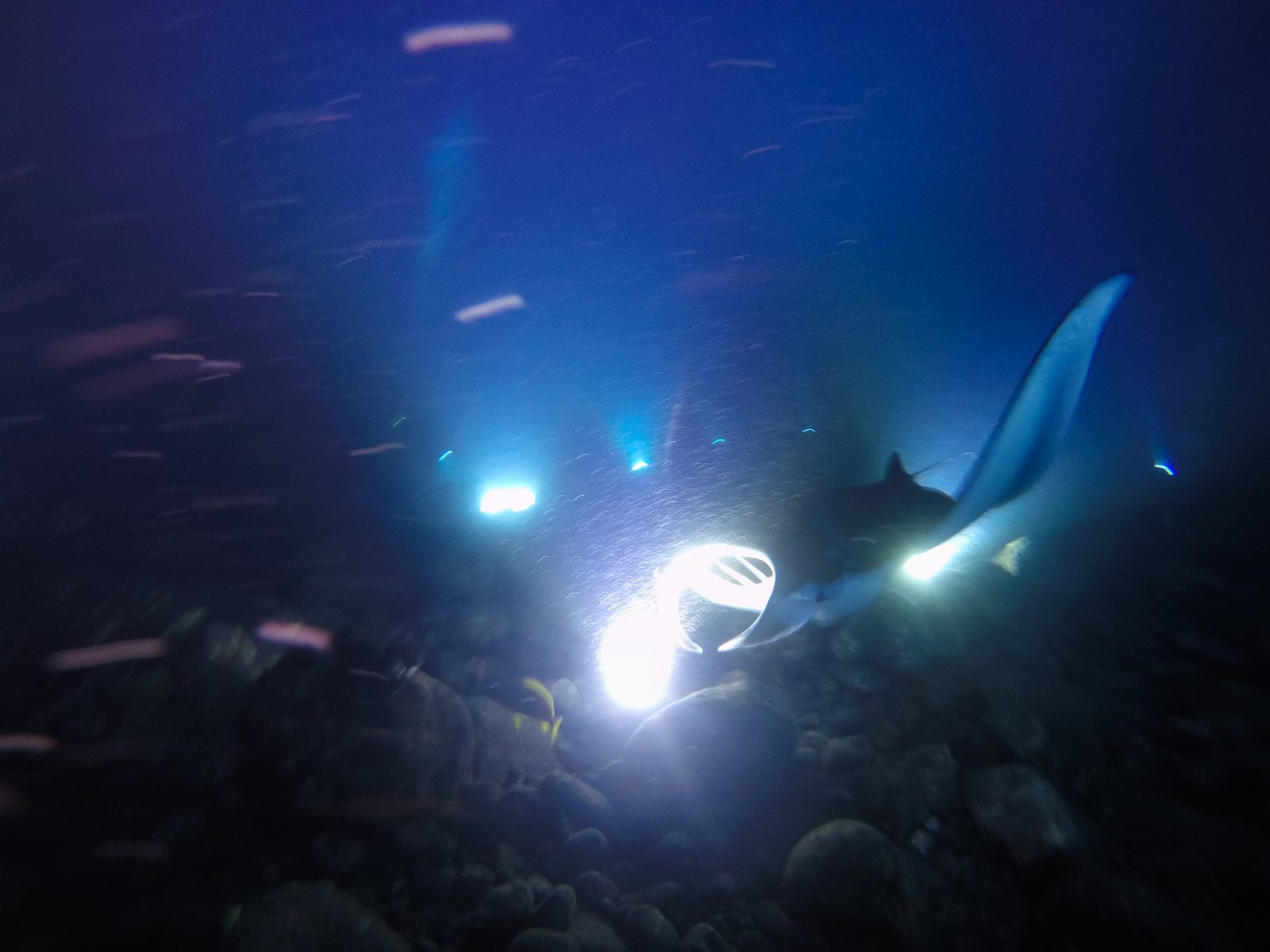
Kona's manta run is famous because the animals are residents, not visitors. Researchers linked to Manta Ray Advocates Hawaii and the Manta Pacific Research Foundation have tied more than 450 individually identified reef manta rays to the Kona coast, the largest documented resident population in the Hawaiian Islands (Prism News, 2026). The sighting database behind that count has been running since 1998.
| Metric | Figure | Source |
|---|---|---|
| Individually identified reef mantas, Kona Coast | 450+ | Manta Ray Advocates Hawaii and Manta Pacific Research Foundation, via Prism News (2026) |
| Sighting database running since | 1998 | Manta Ray Advocates Hawaii, via Prism News (2026) |
| Named resident "Lefty" first identified | 1979 | Sea Paradise, via GetYourGuide (2026) |
| Named resident "Big Bertha" first identified | 1991 | Sea Paradise, via GetYourGuide (2026) |
| Night snorkel sighting rate, year round | 85 to 95 percent | Sea Paradise, via GetYourGuide (2026) |
| Mantas on site on big nights | 20+ | Kona Honu Divers (2025) |
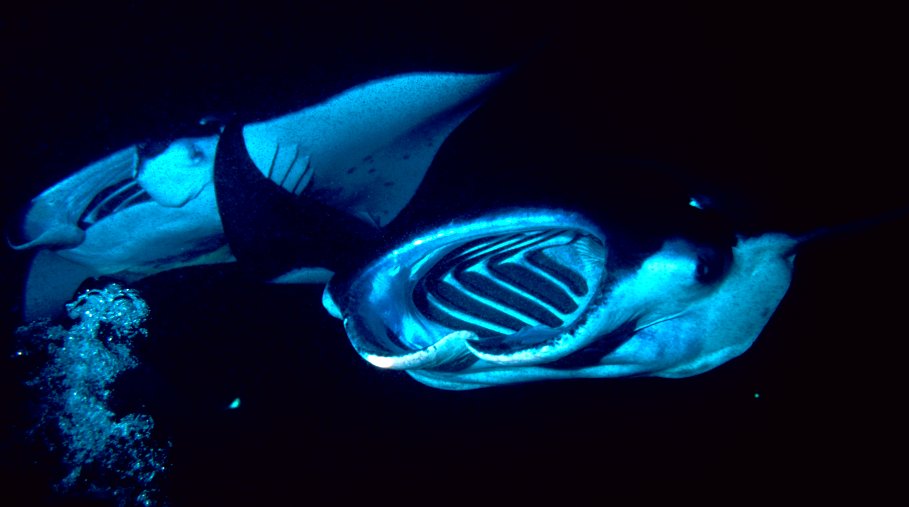
Each manta is recognizable by the unique spot pattern on its belly, which works like a fingerprint for the ID catalogs (Manta Trust, via Travel+Leisure Asia, 2026).
Size, lifespan, and reproduction
Kona's mantas are reef mantas, Mobula alfredi, the smaller of the two manta species. Smaller is relative: a big one still blocks out your light board.
| Metric | Figure | Source |
|---|---|---|
| Reef manta max wingspan | About 16 feet (5 meters) | National Geographic |
| Reef manta average wingspan | About 11 feet | National Geographic |
| Giant oceanic manta max wingspan | Up to 29 feet | National Geographic |
| Lifespan | Up to 50 years | National Geographic |
| Male maturity | 9 to 13 years | Frontiers in Marine Science, via phys.org (2022) |
| Female maturity | 13 to 17 years | Frontiers in Marine Science, via phys.org (2022) |
| Pups per birth | One, every 2 to 6 years | Frontiers in Marine Science, via phys.org (2022) |
| Gestation | 12 to 13 months | Frontiers in Marine Science, via phys.org (2022) |
Slow growth and single pups are why the species is listed as Vulnerable on the IUCN Red List (2018 assessment), with an estimated 16,000 to 18,000 reef mantas left worldwide.
Why the night snorkel works
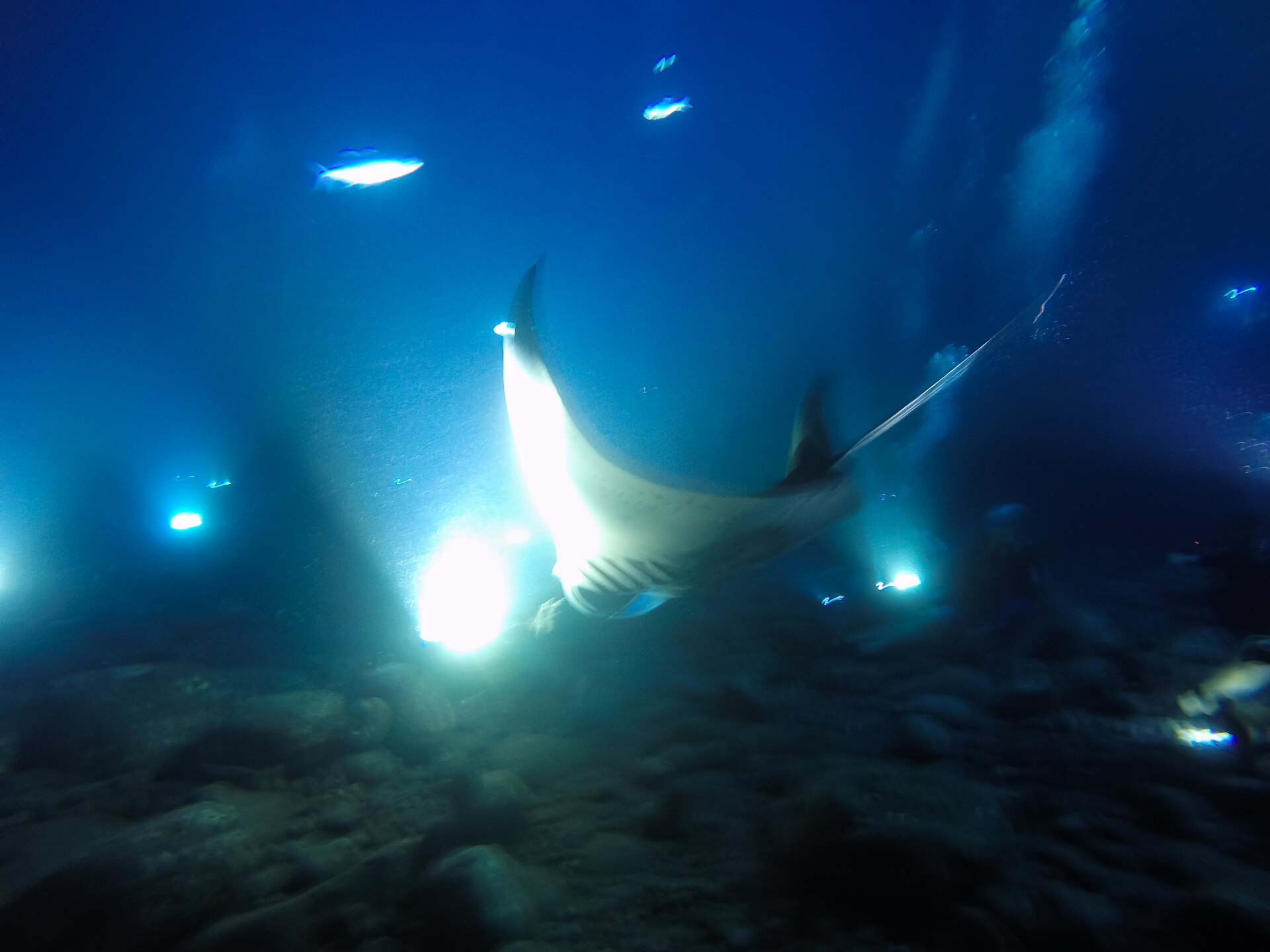
The Kona phenomenon is learned behavior. Dive lights draw plankton into the water column, and the resident mantas have learned to follow the buffet, feeding in a predictable lane while snorkelers float above holding light boards. Sea Paradise has run tours at Manta Village off Keauhou Bay since 1985, one of the original operators at the site (GetYourGuide, 2026). Over decades of nightly repetition the feeding response became so reliable that the 85 to 95 percent sighting rate holds year round.
The economics
| Metric | Figure | Source |
|---|---|---|
| Global manta watching tourism, direct economic impact | $140 million per year | O'Malley et al., PLOS ONE (2013) |
| Direct revenue to dive operators worldwide | $73 million+ per year | O'Malley et al., PLOS ONE (2013) |
| One Maldivian manta, lifetime tourism value | $2.6 million | Manta Trust study, via Travel+Leisure Asia (2026) |
| Same manta, fished value | $500 | Manta Trust study, via Travel+Leisure Asia (2026) |
A living manta is worth roughly five thousand times more than a dead one. That ratio is the whole conservation argument in one number.
For the operator by operator breakdown of the night itself, see our best manta ray night snorkel tours in Kona.